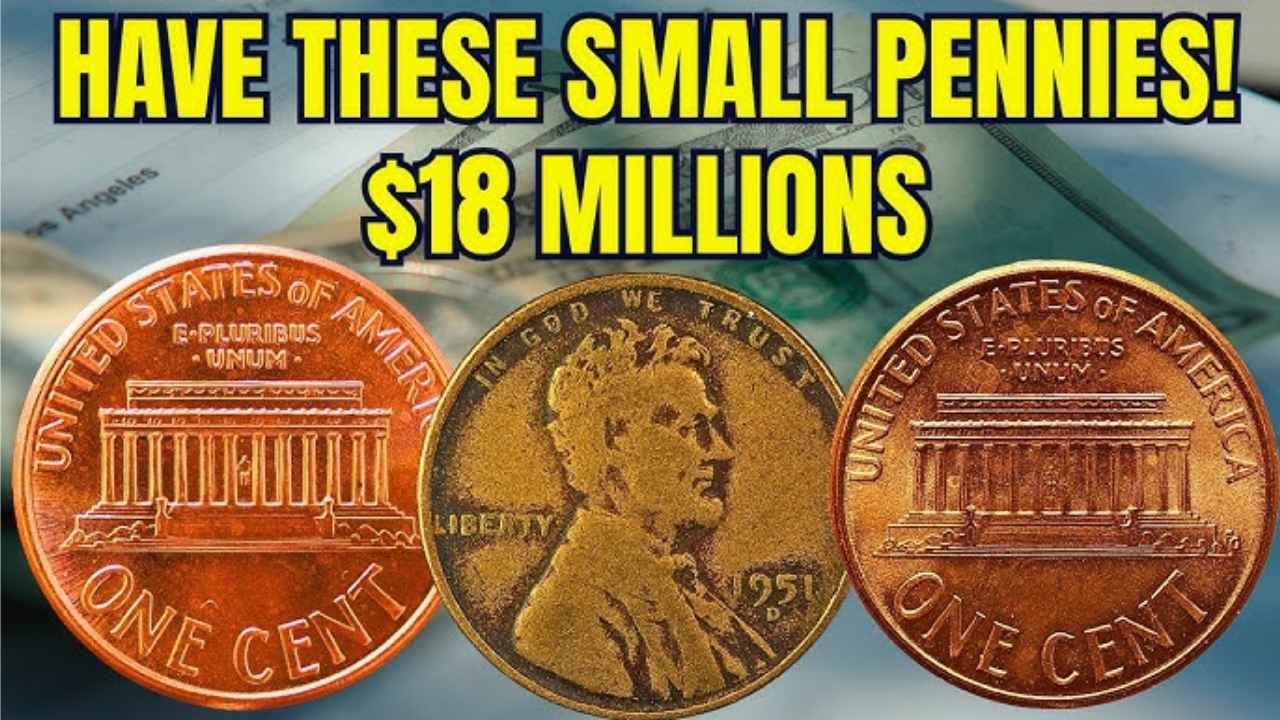
Lincoln Penny Value Chart: Lincoln pennies are one of the most collected coins in the United States. From the classic wheat reverse coins to modern memorial and shield designs, these pennies carry both historical and monetary value. A Lincoln penny value chart helps collectors understand how year, mint mark, and rarity affect prices. While many pennies are worth only face value, certain dates and mint marks can be worth hundreds, thousands, or even more. This guide breaks down the most important Lincoln penny values every collector should know.
Why Year and Mint Mark Matter in Lincoln Pennies
The year and mint mark on a Lincoln penny tell an important story. They reveal when and where the coin was made and how many were produced. Pennies minted in lower quantities are often harder to find, which increases their value. Mint marks such as D for Denver and S for San Francisco can dramatically change a penny’s worth. Even the absence of a mint mark can sometimes signal a rare or valuable coin.
Early Lincoln Wheat Pennies from 1909 to 1919
The earliest Lincoln pennies are among the most desirable. The 1909 S VDB penny stands at the top of the value chart. Even in worn condition, it can be worth hundreds of dollars. In high grade, it can reach several thousand. The 1909 S without VDB is also valuable and consistently ranks high among key dates.
Other early dates such as 1911 S, 1912 S, and 1914 D are strong performers in the collector market. These coins were produced in limited numbers and are difficult to find in excellent condition. Their value increases sharply as condition improves.
Key Date Lincoln Pennies from the 1920s
The 1920s produced several important Lincoln wheat pennies. The most famous is the 1922 No D penny. Since Denver was the only mint producing pennies that year, the absence of a mint mark indicates a minting error. This coin is highly valuable and often worth thousands of dollars depending on clarity and wear.
Other notable dates include the 1924 D and 1926 S pennies. These coins are not extremely rare, but they are scarce in higher grades. Collectors regularly consult value charts for these years because small differences in condition can result in large price changes.
Depression Era Lincoln Pennies from the 1930s
The 1930s were challenging years for the United States, and this period produced some key collectible pennies. The 1931 S Lincoln penny is the standout of the decade. Its low mintage makes it valuable even in circulated condition.
While many other 1930s pennies are common, uncirculated examples are surprisingly hard to find. Pennies from 1934, 1936, and 1937 with strong luster and sharp details can command premium prices on today’s market.
World War Two Pennies and Their Unique Values
The World War Two era introduced dramatic changes to Lincoln pennies. In 1943, pennies were struck in steel instead of copper. While common steel cents are usually inexpensive, rare errors such as 1943 copper pennies are among the most valuable U.S. coins ever discovered.
The opposite error also occurred in 1944, when a few steel planchets were mistakenly used. Authentic 1944 steel pennies are worth tens of thousands of dollars. These wartime errors sit at the top of most Lincoln penny value charts.
Post War Wheat Pennies from 1946 to 1958
After the war, Lincoln wheat pennies returned to copper composition. Most pennies from this period are common, but condition matters greatly. Coins from the 1950s that remain uncirculated are much harder to find than people expect.
The 1955 doubled die penny is the most famous error of this era. Doubling on the date and lettering is clearly visible, making it one of the most recognizable error coins in U.S. history. Prices range from thousands to tens of thousands depending on condition.
Lincoln Memorial Pennies and Modern Key Coins
The Lincoln Memorial penny was introduced in 1959 and ran until 2008. Most memorial pennies are worth face value, but certain varieties are valuable. Doubled dies, off metal strikes, and major errors can be worth hundreds or more.
Examples include the 1969 S doubled die, the 1972 doubled die, and certain 1980s errors. While modern pennies are plentiful, dramatic errors remain highly collectible and frequently appear on value charts.
How Condition Changes Lincoln Penny Prices
Condition is one of the most important factors in any Lincoln penny value chart. A penny with heavy wear may be worth only a fraction of the same coin in uncirculated condition. Collectors look for strong details, original color, and minimal surface damage.
Cleaning a penny can significantly reduce its value. Natural aging is preferred, even if the coin shows some toning. Professional grading helps establish condition accurately and increases buyer confidence.
Understanding Value Charts for Collectors
Lincoln penny value charts provide estimated price ranges based on year, mint mark, and condition. These charts help collectors decide which coins to keep, upgrade, or sell. Prices can change over time based on demand and market trends, but key dates remain consistently valuable.
Collectors should use charts as a guide rather than an absolute guarantee. Real world prices depend on eye appeal, certification, and buyer interest at the time of sale.
How to Check If Your Lincoln Penny Is Valuable
Start by checking the date and mint mark under the year. Look closely at pennies from 1909, 1914, 1922, 1931, and wartime years. Use a magnifying glass to inspect for doubling, missing details, or unusual surfaces.
Weighing pennies can help identify off metal errors. If a coin seems unusual or valuable, avoid cleaning it and consider professional evaluation.
Why Lincoln Pennies Remain Popular in 2026
Lincoln pennies remain popular because they are affordable, historical, and widely available. Many collectors began their journey by searching through rolls or inherited jars of pennies. The series offers both entry level collecting and high value rarities.
In 2026, collectors continue to value tangible assets with historical meaning. Lincoln pennies connect everyday people to more than a century of American history.
Final Thoughts on Lincoln Penny Value Charts
A Lincoln penny value chart is an essential tool for collectors. It reveals how year, mint mark, and rarity transform simple pennies into valuable collectibles. While most pennies are common, a small percentage carry significant worth.
For collectors, patience and knowledge are key. With careful study and attention to detail, Lincoln pennies can offer both enjoyment and long term value. These small coins prove that even the most ordinary objects can become extraordinary with time.